Yes, software can be patented when it solves a technical problem in a new way. This guide covers what qualifies in Canada and the US, what does not, timelines, what drives cost, and when a trade secret is the better choice. Software can be patented in Canada and the United States. What cannot be patented is an abstract idea, a business method on its own, or “do this known thing, but on a computer”. The line between the two is where most founders get stuck, so this guide gives you the test, an example from a real filing and the decisions you need to make before you spend money on counsel. Speer is an engineering company, not a law firm; we build the technology and work with patent attorneys on the filings, and that is the perspective here. Nothing in this article is legal advice.
The one question that decides it
Does your software solve a technical problem in a new way, or does it apply a known technique to a new business purpose? Patent offices on both sides of the border ask a version of this. A faster way to synchronize two video streams is technical. A loyalty program delivered through an app is a business method. The same app can contain both; only the first part is patentable.
What usually qualifies
A new method of processing data that improves how a computer or device performs: speed, accuracy, battery, bandwidth, reliability. Novel interaction between software and hardware: sensors, Bluetooth devices, vehicles, medical equipment. A new model architecture, training method or inference technique with a measurable technical effect, as opposed to a new use of an existing model. Security, encryption and synchronization methods.
What usually does not
A business idea implemented in ordinary software, such as marketplaces, subscription models or matching users to listings. User interface designs on their own. These may be protected by industrial design or design patents, which is a different route. Prompts, data sets and the outputs of a model. Anything you published, demoed publicly or sold more than a year ago in the US, or at all in most other countries, before filing.
An example from our own work
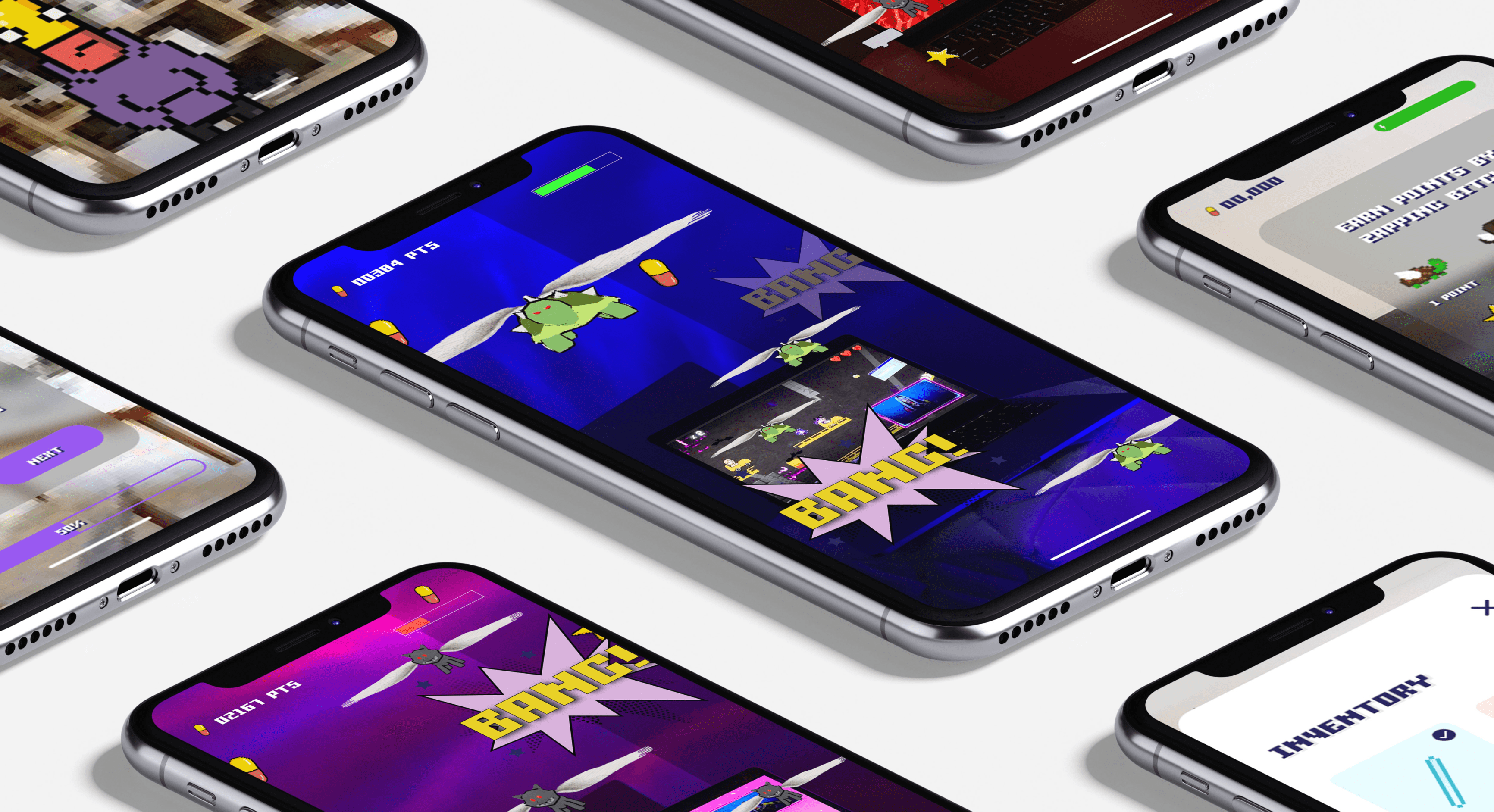
In 2020 Speer built, with the label Defient, the first augmented reality game synchronized to a music video. The business idea, an interactive music video, is not patentable. The technical problem inside it was: how does a phone know exactly which frame of a video playing on another screen it is looking at, so that gameplay stays in step? The method the team developed for detecting frame transitions and synchronizing a second device was granted US patents in 2021 and 2022, with Speer’s founder among the named inventors. That is the pattern to look for: the patent is on the mechanism, not the concept. Read the Defient case study.
Canada versus the United States
The US allows software patents where the claims amount to more than an abstract idea, under what is known as the Alice test. Canada’s Patent Office looks for a physical or practical effect and, since 2020, assesses the “actual invention” rather than discounting the computer. In practice, a well-drafted technical claim can succeed in both, and most Canadian startups file in the US first because that is where the market and the enforcement are. Filing a US provisional application secures a priority date for twelve months at modest cost while you decide.
Timelines
Provisional application: can be filed in weeks once the technical description exists. Non-provisional application: within twelve months of the provisional. Examination to grant: typically two to four years in the US. Canada is similar once examination is requested. Expedited tracks exist in both.
What drives the cost
The number of claims, the number of countries, how much prior art exists, and how many rounds of examiner objections the application goes through. The single biggest cost saver is good engineering documentation written as the product is built, so counsel is drafting from facts rather than interviewing engineers from memory. That is the part Speer handles for partners.
The alternative: trade secrets
Some of the most valuable software is never patented. A patent publishes your method in exchange for a time-limited monopoly; a trade secret keeps it private for as long as you can protect it. Training data, ranking algorithms and internal tooling are often better kept secret. The decision depends on whether a competitor could reverse-engineer it from the outside, and that is a question for engineers and counsel together.
How Speer fits in
We build the product, document what is novel as it is built, prepare the technical disclosures and work with patent counsel through filing and examination. Our team includes legal and IP strategy specialists alongside engineers, and we have taken partners’ products through to granted patents. See patentable AI and software development or book a call.
FAQ
Can you patent software in Canada?
Yes. The Canadian Intellectual Property Office grants patents for software that produces a practical, technical effect. Pure business methods and abstract algorithms are refused.
Can you patent an app?
You can patent the novel technical methods inside an app, not the app as a whole. The interface may qualify for design protection, and the code is automatically protected by copyright.
Can AI be patented?
AI systems can be patented when the claims describe a specific technical improvement: a new architecture, training approach or way of applying a model to a technical problem. “Use AI to do X” on its own is not enough.
How long does a software patent take?
A provisional can be filed within weeks. A granted patent typically takes two to four years from the full application in the US and Canada.
Do I need a patent attorney?
Yes, for drafting and prosecution. What you can do first, and what Speer does with partners, is prepare the technical disclosure and decide what is worth filing, so counsel’s time goes into drafting rather than discovery.
Does Speer file patents?
Speer is not a law firm and does not file on your behalf. We build the technology, document the inventions and work with patent counsel, yours or ours, through filing and examination.
Share this page
Other Posts